For all the sessions that make up AHIMA26, there are many hours of planning, discussion, and review done behind the scenes.
Months before the annual conference October 4-6 in San Antonio, health information (HI) professionals and others submit abstracts on topics they would like to present to attendees. This year, more than 350 abstracts were submitted for consideration.
But who decides which submissions get selected, and what are those decisions based on?
The Selection Process
Each year, AHIMA assembles a volunteer content committee of HI experts that spends months working to pick the sessions that matter most to HI professionals and students who will attend the conference.
Submitted abstracts for AHIMA26 by potential presenters are reviewed and assigned to presentation tracks based on the AHIMA Core Competency Domains, says committee member Christine Metheny, MSL, RHIA, CHPS, CHTS-IM, Assistant Vice President of Revenue Cycle Operations and Integration at WVUMedicine.
These domains, she says, serve as the primary framework:
- Data Structure, Content, and Information Governance
- Information Protection (Access, Use, Disclosure, Privacy, and Security)
- Informatics, Analytics, and Data Use
- Revenue Cycle Management
- Health Law and Compliance
- Organizational Management and Leadership
“The committee uses these domains to guide topic selection and ensure the conference program offers balanced educational opportunities that support HI professionals in maintaining and advancing their knowledge and continuing education requirements,” Metheny says.
Expertise of Committee Members and Staff
Committee members use their industry knowledge and AHIMA staff expertise to identify emerging trends, best practices, regulatory changes, and innovative approaches affecting health information and could include resources such as AHIMA publications and industry newsletters. Also considered in the process are AHIMA member interests and attendee feedback from previous AHIMA conferences.
They also look at such things as how many abstracts were submitted on a particular topic and what practical takeaways attendees will get from sessions.
 “One of the things that we first look at is the content—is it relevant?” says committee member Ulkar Abbas, PMP, RHIA, Director of Enterprise Coding Solutions at Kaiser Permanente in California. “We want to ensure that we make this conference relevant for the audience.”
Abbas adds: “We all work in the industry and have worked in the industry for decades. For example, if someone submits an abstract of planning a go-live on the EMR, that is not a relevant topic today as most hospitals went live on the EMR almost a decade ago. However, if the abstract is about transitioning from 1 EMR to a different EMR, then that becomes more relevant as there are hospitals changing their EMR vendor and the complexities of this transition can be useful information.”
Committee members individually review abstracts, and submissions that get unanimous approval move forward to be part of the main learning tracks. If an abstract receives disagreement among reviewers, committee members meet virtually as a group to determine if the submission should be selected.
“We read the abstracts asking ourselves, ‘Would I attend this session?’ ‘Is this a topic that we’ve heard a lot about?’ ‘Is this advanced or beginner level?’ “ Metheny says.
After these conversations, the committee votes, then ranks the sessions to determine which ones will be on the conference agenda.
Committee members “evaluate submitted abstracts for timeliness and real-world applicability and ask a simple but critical question: Does this give attendees something actionable they can take back to their work?” says committee member Melissa Koehler, DHA, MBA, RHIA, CHDA, CCS, CCDS, CDIP, CSBI, CRCR, FAHIMA, AVP of Health Information Management at Inova. “That standard applies whether the audience is a frontline coder, a HIM director, or a C-suite leader.”
Choosing What’s Most Important to HI Professionals
Having a diverse group of committee members helps ensure that the lineup features everything from emerging trends to practical guidance for beginners to seasoned HI leaders.
After reviews and discussions, about three dozen sessions will make up the conference and are categorized into seven learning tracks and pre-conference workshops that cover what matters most to HI professionals.
The seven tracks are: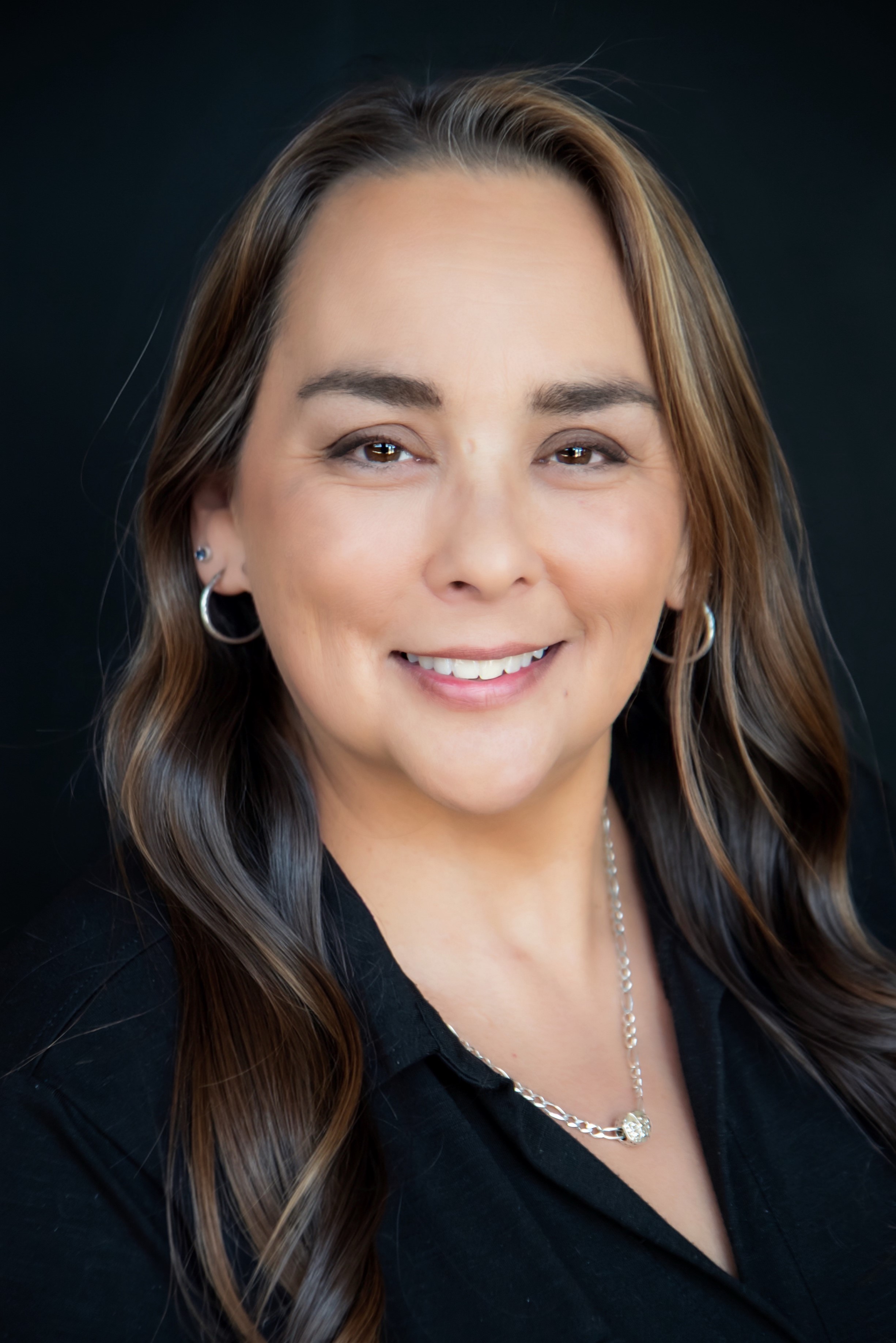
- Policy & Government
- Privacy & Security
- Coding
- Career Advancement
- Documentation & Data Integrity
- Operational Outcomes
- Emerging Trends
Here are just a few of the sessions you can expect at AHIMA26:
- Future-Proofing Your HIM Career: From Coder to AI Governance Expert
- Fraudulent ROI and Cybersecurity: What You Need to Know Today
- The Ghost in the Machine: How AI Models Inherit Patient Stories Without Permission
- Driving Financial Performance with a Clean Master Person Index (MPI)
- Inpatient vs. Outpatient ICD-10-CM Coding: Key Differences That Impact Accuracy and Compliance
Committee members say they strive to create a good variety of topics, so one issue doesn’t dominate many sessions.
“If every single session is about AI [artificial intelligence], people might get tired of hearing it, and so we always try to make sure that we have an equal balance to include emerging topics across all domains,” Koehler says.
Making a Difference for AHIMA26
Abbas says she first got involved in the committee after attending the annual conference and chatting with a session speaker and AHIMA committee member. A few months later, she received an invitation though LinkedIn, asking if she wanted to join the content program committee.
“They appreciated my conversations and engagement in that session, and then they looked at my profile on LinkedIn and thought I could bring value to the committee,” Abbas says. “Of course, I said yes and got involved.”
Abbas and other committee members recommend taking a wide selection of sessions to learn about the current and future state of health information from many perspectives and HI leaders.
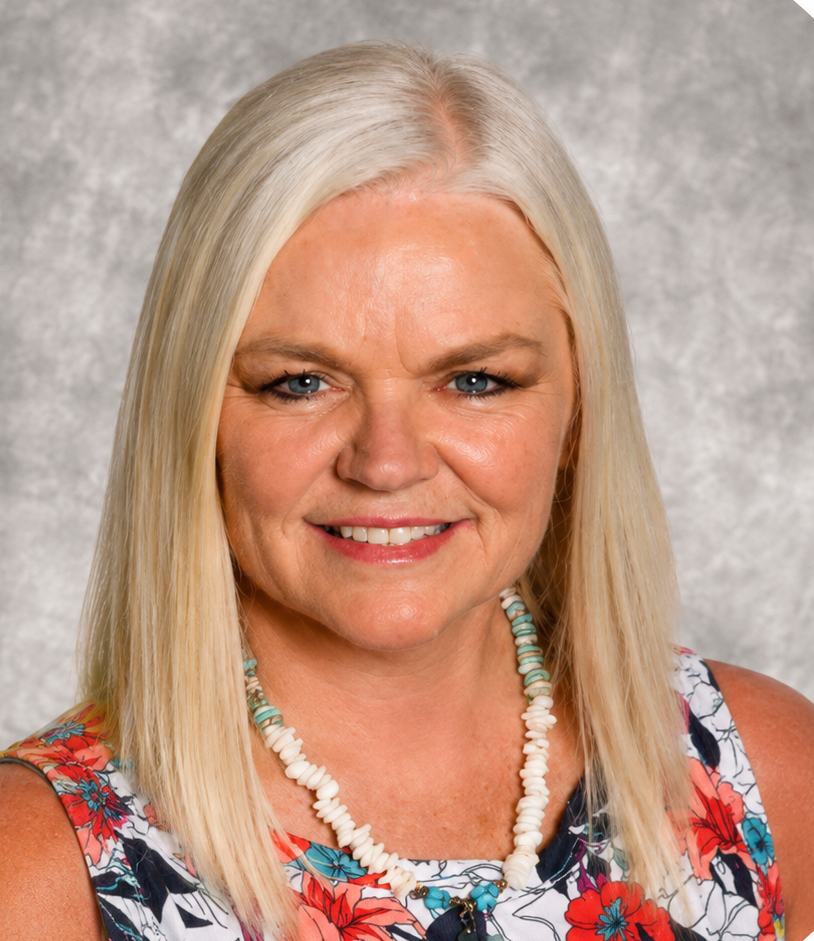 “What interests you today?” Metheny says. “What do you think will impact your future? And what just sounds really cool to listen in on? While you may gravitate to the areas of your expertise, it's always good to be open-minded to take something back to your colleagues at your workplace.”
While some abstracts may not get selected for AHIMA26, they may find a home elsewhere, perhaps as part of an AHIMA summit, webinar, or other program where committee members recommend the content be used to provide value to HI professionals.
“There's a lot of knowledge out there that you just can't get into one conference,” Metheny says.
When all of the sessions are finalized for the conference, how is AHIMA26 different from HI education offered elsewhere?
“Sessions at AHIMA26 are vetted for operational and strategic relevance to the HI workforce specifically,” Koehler says. “Attendees are not sitting through adjacent content hoping to extract something applicable; they are receiving education that speaks directly to their credentials, their daily challenges, and their career growth. Beyond content, the AHIMA conference also provides a community context that amplifies learning: the conversations in the hallways, the peer connections, and the shared professional identity are part of the educational experience in a way that is difficult to replicate elsewhere.”
Damon Adams is content production editor for AHIMA.