Workplace Wellness Programs Prompt Health Privacy Concerns
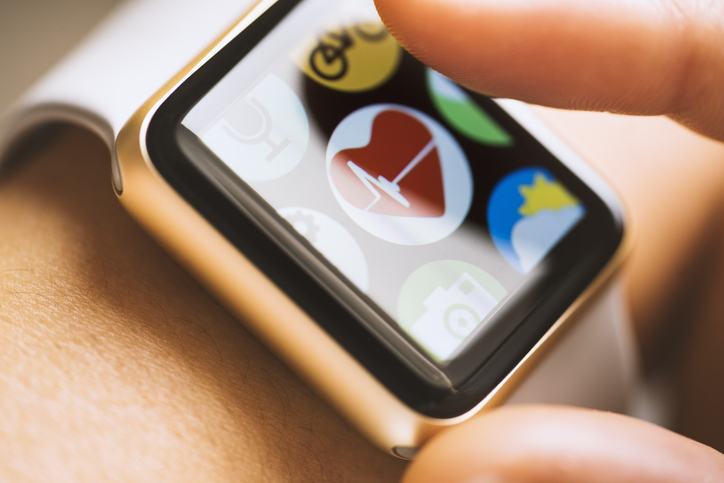
However, the wellness program also allows executives at Regal Plastics to view employee FitBit data in real time. For example, when one employee was recovering from bypass surgery after a heart attack, his boss kept track of how much he was walking every day when he was back to work, pushing him to meet weight loss goals.
Privacy advocates warn that while employees are eagerly sharing this data, it can easily be used against them when companies have to downsize. While healthy employees are happy to share their data, people with expensive health conditions have good reason not to share, as they could find themselves targeted by layoffs.
Joe Jerome, a policy lawyer at the Center for Democracy & Technology, tells the Post that many people relinquish health data to employers because they assume HIPAA protects how it gets used. However, employers aren’t covered entities and if individuals volunteer their data, insurers and employers can use it however they wish.
“Real-time information from wearable devices is crunched together with information about past doctors visits and hospitalizations to get a health snapshot of employees,” the Post reports. “Sleep monitoring has especially profound implications. Poor sleep can be a key indicator of depression, substance abuse or other mental disturbances. Overweight insomniacs, as measured in this new world, for example, will stand out faster as potentially costly health insurance risks.”
[author] [author_image timthumb='on']/Portals/0/uploads/content_hub/Mary-Butler-author-photo.jpg[/author_image] [author_info]Mary Butler is associate editor at Journal of AHIMA.[/author_info] [/author]